How to Make an Osamason Type Beat That Actually Hits
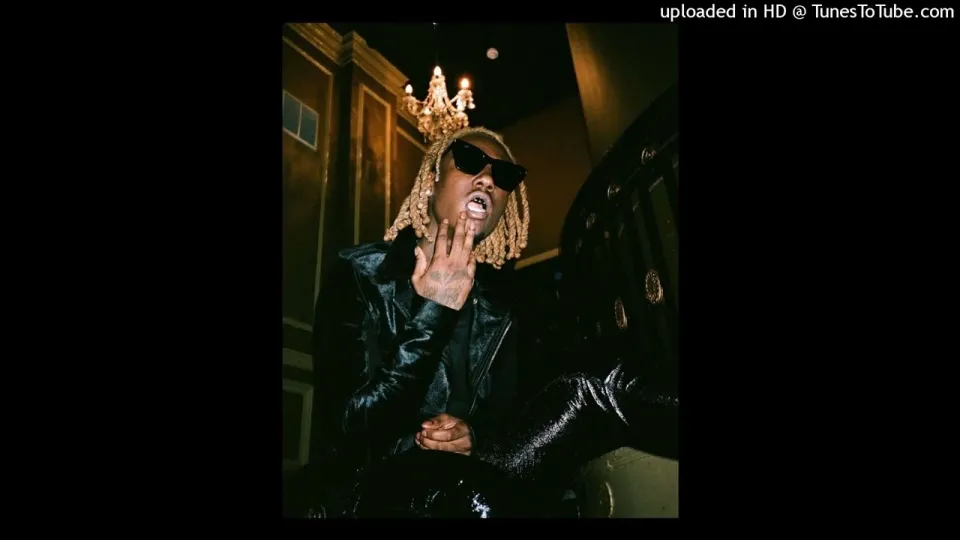
Video: [free] osamason type beat - thug
· based on the channel saikethefirst prod
An Osamason type beat is a dark, distorted plugg instrumental built around 150–160 BPM, heavy clipped 808s and sparse, eerie melodies — the same formula used on "thug" by saikethefirst prod, which runs at 155 BPM and can be downloaded free for profit via the BeatStars listing. To make one, start with the tempo and drum grid, layer a minor-key melody, distort the bass, then mix loud and tag the beat before you hand it out. The rest of this guide breaks that process into concrete steps.
What defines the Osamason type beat sound
The Osamason type beat sound is a hybrid of plugg, rage and distorted trap, and its identity comes from contrast: melodic elements stay thin and cold while the low end is pushed into clipping. Producers in this lane — including saikethefirst prod and s4lierri, who made the reference track "thug" — lean on a handful of shared traits:
- Tempo: 150–160 BPM, with 155 BPM as a reliable sweet spot for a bouncy but aggressive feel.
- Drums: punchy kicks on the downbeats, fast triplet hi-hat rolls, snappy snares or claps, and open hats used as rhythmic punctuation rather than decoration.
- 808s: long, saturated, often pitched down and deliberately overdriven so they read as texture, not just bass.
- Melodies: simple two- to four-note loops — bells, detuned keys, plucked synths, choir pads — usually in a minor key and drenched in reverb.
- Space: verses leave room for the vocal; the beat gets busy mostly in the intro, transitions and hook.
If your loop sounds pleasant and full on its own, it is probably too crowded for this style. Osamason-adjacent vocals sit low and monotone, so the instrumental has to carry energy without stealing the mid-range.
How to build the beat step by step
Building an Osamason type beat is mostly an exercise in restraint and gain staging. A workable order of operations:
- Set the session to 155 BPM and a minor key. The reference beat "thug" uses 155 BPM, which is a safe default for the subgenre.
- Program the drums first. Lay a kick pattern with one hard hit per bar, add a clap or snare on the third beat, then write 1/16 and 1/32 hi-hat patterns with occasional triplets. Keep the hat velocity varied so it does not sound robotic.
- Tune the 808 to the root note of your melody, then extend the notes so they glide. Slight pitch slides between notes are a signature move.
- Write the melody. Two to four notes, one or two synth layers, heavy reverb and a low-pass filter. Bells, detuned electric piano and airy pads all work.
- Add one atmospheric layer — a reversed hit, vinyl noise, a distant vocal chop — to fill the high end without adding melodic clutter.
- Arrange in short blocks: 8-bar intro, 16-bar verse, 8-bar hook. Drop the 808 out for one bar before each section change to create impact.
- Mix loud and slightly dirty. Clip the 808 bus gently, saturate the drum bus, and keep the melody 3–6 dB below the drums.
- Tag and export. Place a producer tag in the first two bars, then bounce a WAV at 24-bit and a tagged MP3 for previews.
Mixing and sound design choices that sell the style
The mix is what separates a convincing Osamason type beat from a generic trap loop. Three moves matter most:
- Saturate, do not just boost. Run the 808 through soft clipping or tape saturation so it distorts musically instead of eating headroom.
- Keep the melody narrow. High-pass everything above roughly 200 Hz on melodic layers and cut below 100 Hz so the bass owns the low end.
- Sidechain the 808 to the kick lightly, or simply align them so they hit together rather than fighting.
On sound design, detuning is your friend: pitch a bell or pluck down a few semitones, add chorus, and print it. Producers in this scene often resample their own melodies through distortion plugins, which is how the beats end up sounding both lo-fi and loud. Reference your mix against commercially released tracks in the same lane at matched perceived loudness rather than matching raw peak levels.
Free for profit, leases and crediting rules
Licensing is the part most new producers get wrong. A beat marked "free" is typically free for non-profit use only — you can write and upload a song to SoundCloud or YouTube, but monetizing it or distributing it to streaming services requires a purchase. The listing for "thug" states exactly that: free for non-profit, buy the beat to put your song on streaming services, and credit "prod. saike, s4".
Practical rules to follow:
- Read the license text on the beat page before you record; terms vary between free downloads, leases and exclusive sales.
- Credit exactly as requested. In this scene the standard is a short producer credit in the title or description, plus the producer's tag left intact in the beat.
- Keep your receipt. If you buy a lease, save the confirmation email — distributors may ask for proof of licensing.
- Do not resell or re-upload the instrumental as your own under any tier.
If you are the producer rather than the artist, mirror this structure in your own listings: state the BPM, the credit line, the profit terms and a clear purchase link.
Common questions from artists and producers
A few recurring concerns come up whenever these beats get posted, and they are worth addressing directly.
"Can I really use a free download on Spotify?" No — free downloads in this scene are almost always non-profit only. Buy the lease first, then distribute.
"Does the BPM have to be exactly 155?" No, but staying between 150 and 160 keeps the pocket right. Going much slower turns the beat into something closer to ambient plugg; much faster and it drifts toward rage.
"How do I get my vocals to sit on a distorted 808?" Record with a high-pass filter around 100 Hz, then ride the vocal level rather than compressing hard. The beat is already dense, so clarity comes from cutting, not boosting.
"What if the producer never replies?" Use the contact listed on the beat page — email or Instagram — and keep the message short: track name, intended use, and which license you want. Most producers in this lane respond faster to a specific request than to a general inquiry.
Useful links
- Free for profit download of the reference beat "thug": https://bsta.rs/EFsZOv
- Producer contact on Instagram: https://www.instagram.com/saikethefirst
Final thoughts on building your own version
An Osamason type beat is less about copying a single track and more about internalizing a formula: 150–160 BPM, clipped 808s, thin dark melodies, and a mix that is loud on purpose. The reference beat "thug" by saikethefirst prod and s4lierri is a clean demonstration of that formula at 155 BPM, and it is available free for profit through the BeatStars page — grab it, study the arrangement, then build your own loop from scratch. Credit the producers correctly if you release anything, and buy the lease before you push a song to streaming. This breakdown was put together around the work of the channel saikethefirst prod, whose catalog is a useful reference point for anyone working in this lane.
Key takeaways
- Osamason's sound sits around 150–160 BPM, with the reference beat "thug" by saikethefirst prod and s4lierri running at 155 BPM.
- The core palette is distorted 808s, clipped sub-bass, sparse dark plugg melodies and fast triplet hi-hats.
- Free downloads are usually for non-profit use only; buying the lease is what lets you put the song on streaming services.
- Standard credit format for this scene is "prod. saike, s4" — producer tags are placed early in the beat.
- The reference track is free for profit via https://bsta.rs/EFsZOv, with Instagram contact at @saikethefirst.
Source: [free] osamason type beat - thug · Markdown version
Questions & answers
Can I release a song on Spotify using a free Osamason type beat download?
Usually not. Free downloads in this scene are typically licensed for non-profit use only, meaning you can post a song on YouTube or SoundCloud but not monetize or distribute it. To put a track on streaming services you need to buy a lease or exclusive license from the producer first.
What BPM should an Osamason type beat be?
Most tracks in this style sit between 150 and 160 BPM. The reference beat "thug" by saikethefirst prod and s4lierri runs at 155 BPM, which is a solid default. Slower tempos push the beat toward ambient plugg, while faster ones drift into rage territory.
How should I credit the producer when I use a type beat?
Follow the credit line stated on the beat's page exactly. For this style it is usually a short "prod." credit in the song title or description, plus leaving the producer tag in the instrumental untouched. If you bought a lease, keep the receipt in case your distributor asks for proof.
How do I make my vocals cut through a distorted 808?
Record with a high-pass filter around 100 Hz to remove low-end rumble, then control the vocal level with automation instead of heavy compression. Because the beat is already dense and saturated, clarity comes from cutting frequencies rather than boosting them.